


When to Replace Your Heating System: A Practical Guide to Furnace Replacement, Energy‑Efficient Upgrades
Deciding to replace a heating system usually comes down to age, falling performance, or safety concerns that make repairs a short‑term fix. This guide gives a clear checklist to help you decide when replacement makes sense and how energy‑efficient upgrades affect comfort and long‑term costs. You’ll learn how to spot signs your furnace is failing, what drives furnace replacement costs in Western Washington, how efficient heating options compare, and when to schedule a replacement to avoid an emergency. We also cover expected equipment lifespans, common failure symptoms, financing options, and scheduling strategies that make swaps easier. Throughout, we use practical keywords like when to replace, signs furnace failing, and furnace replacement Western Washington so you can decide confidently whether to repair or replace.
What Are the Key Signs Your Furnace Is Failing?
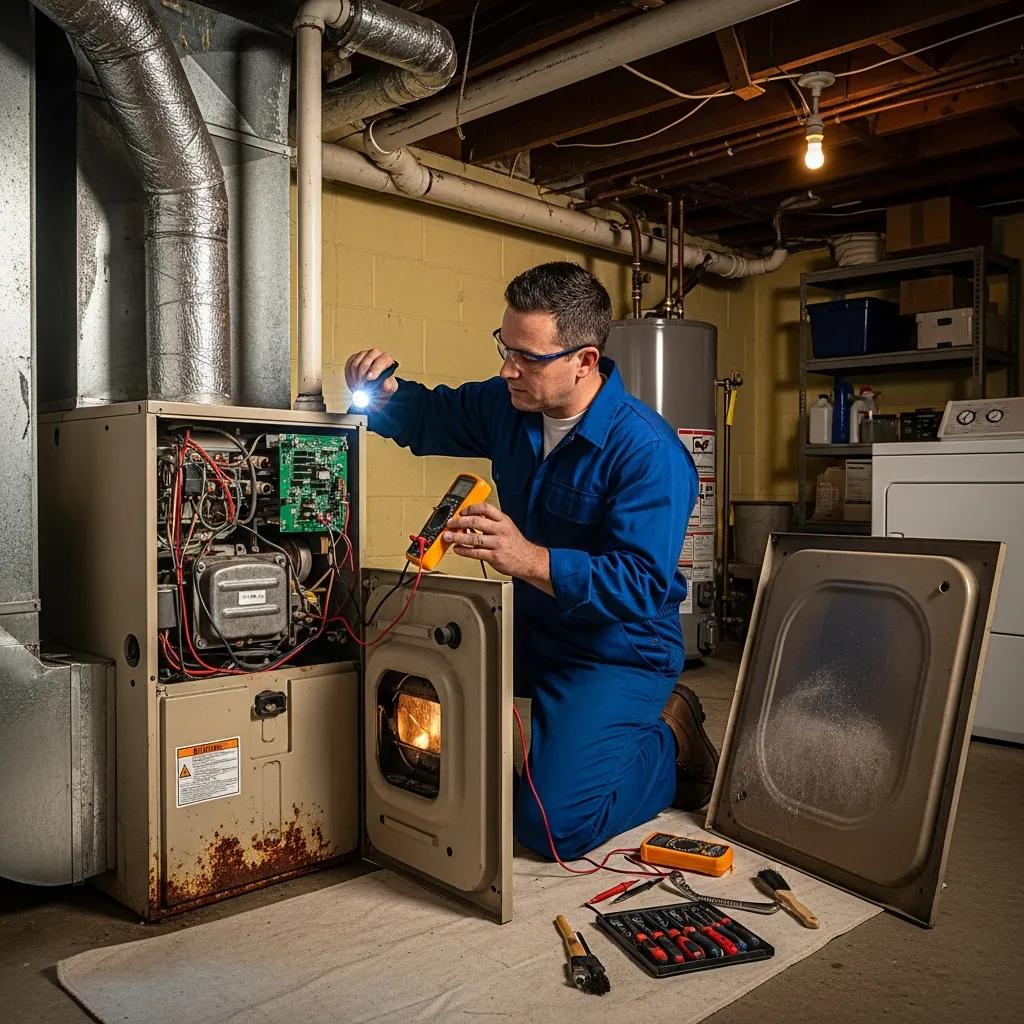
Furnaces that are close to failing usually give the same clear signals: they’re old, need repairs often, cost more to run, heat unevenly, or make odd noises or smells. Catching these signs early helps you decide whether to swap parts or replace the whole system to restore dependable comfort. The most useful checks are simple—look at the burner flame color, compare utility bills month to month, and note cold spots or frequent on/off cycles. Early detection lowers safety risks and avoids the time and cost of an emergency replacement in cold weather. From there you can do a DIY check, schedule a professional diagnostic, or book a full system assessment.
Top signs your furnace may be failing:
- Advanced Age: The unit is near or past its expected service life and is losing efficiency.
- Frequent Repairs: Multiple service calls for different parts usually mean systemic wear, not isolated problems.
- Rising Energy Bills: Higher energy use with the same household habits often indicates a drop in AFUE and wasted energy.
- Inconsistent Heating: Persistent cold spots or short‑cycling point to sizing, duct, or control problems.
- Unusual Noises/Odors: Clanking, whistling, or gas‑ or burnt‑smelling odors can signal mechanical trouble or safety issues.
These signs help you triage the issue. The next section gives quick checks and common causes so you can prioritize next steps.
How Does Age Affect Your Heating System's Performance?
Age matters because mechanical parts wear out and materials fatigue, reducing efficiency and raising the chance of failure. Furnaces typically reach the end of their useful life in the 15–25 year range; heat pumps and boilers have different lifespans. As components age—heat exchangers, blower motors, and controls—performance drops and repair needs rise. Older equipment also usually has lower AFUE than today’s models, which increases operating costs. In Western Washington’s mild, damp climate, seasonal use and humidity can speed corrosion and affect component life, so planning ahead is important. Knowing how age changes performance helps you choose between ongoing repairs and a full replacement that restores reliability and efficiency.
What Common Symptoms Indicate Furnace Problems?
Typical symptoms include loud or unusual noises, lingering odors, visible flame problems, and uneven temperatures—each suggesting different causes and fixes. Banging or rattling often comes from loose parts, a failing blower, or ignition delays. Burnt or gas‑like odors can indicate electrical or combustion issues that need immediate attention. Short‑cycling (frequent on/off cycles) cuts comfort and wears components; it’s often caused by wrong sizing, airflow limits, or control faults. Try basic checks first—replace filters, make sure vents are open, and watch the burner flame color—to see if the problem clears. If it doesn’t, a qualified technician’s inspection will show whether repair or replacement is the most cost‑effective choice.
| Symptom | Likely Cause | Immediate Action |
|---|---|---|
| Rising energy bills with same usage | Reduced AFUE or failing components | Check filter and vents; schedule diagnostic if it continues |
| Inconsistent room temperatures | Poor sizing, duct leaks, airflow issues | Inspect vents, look for closed registers, call for a duct assessment |
| Loud banging/whistling noises | Loose parts, motor wear, combustion delay | Turn off system if loud or alarming; arrange a professional inspection |
| Short‑cycling (frequent on/off) | Oversized unit, restricted airflow, thermostat issues | Replace filters, verify thermostat settings, contact a technician |
| Yellow flame or gas smell | Combustion problem or gas leak (safety risk) | Leave the house if you smell gas; call emergency service immediately |
This table helps you sort symptoms and choose between basic fixes and a professional assessment. If a problem repeats, a pro check is the recommended next step.
Steady Air LLC offers diagnostic and assessment services to identify root causes and recommend repair versus replacement based on your system’s condition and your goals. Our technicians can perform a heating tune‑up and maintenance inspection that pinpoints failing parts, checks heat exchanger integrity, and outlines replacement options. If you see the signs above, scheduling an assessment gives you a clear, customized plan to minimize disruption.
How Much Does Furnace Replacement Cost in Western Washington?
Furnace replacement cost in Western Washington depends on system type, required capacity, installation complexity, ductwork needs, and local permitting and labor. Rather than list one‑size‑fits‑all prices, it’s more useful to understand the cost drivers so you can compare quotes and avoid surprises. High‑efficiency units, heat pump conversions, and homes needing duct repair increase scope and cost. Local housing types, climate choices, and labor availability affect schedules and material lead times, which also influence final price and timing. Financing options can spread the investment over time, making replacement more manageable whether it’s planned or urgent. A local, on‑site estimate ensures correct sizing and captures all cost drivers for an accurate quote.
Key factors that influence replacement prices include:
- System Type and Efficiency: Higher‑efficiency furnaces or heat pumps cost more up front but reduce long‑term operating expenses.
- Home Size and Capacity Needs: Larger homes require bigger systems and more complex distribution, increasing unit and installation costs.
- Installation Complexity: Tight access, structural changes, and upgraded venting or condensate drains add labor and materials.
- Ductwork Condition: Repairing or replacing ductwork expands project scope and raises overall cost.
- Permits and Local Codes: Required permits and code upgrades add administrative and compliance expenses.
The next table clarifies how each system type typically affects price without naming specific dollar amounts.
| System Type | Cost Driver | Impact on Price |
|---|---|---|
| Gas Furnace | Efficiency rating (AFUE), venting needs | Higher AFUE and sealed combustion increase equipment and installation complexity |
| Heat Pump | Conversion complexity, compressor size | Conversion adds duct/line‑set work; higher‑efficiency units cost more up front |
| Boiler | Piping, hydronic controls | Replacement can require extensive pipe and control upgrades |
| Ductless/ mini‑split | Number of zones, wall/structural work | Multiple indoor units increase equipment and installation time |
What Factors Influence Heating System Replacement Prices?
Specific variables—unit efficiency, correct sizing, site access, and required changes—determine the scope of work and the final price. Higher AFUE or better heat pump HSPF/SEER ratings raise equipment cost but usually deliver bigger operational savings. Proper sizing to your home’s heat load prevents short‑cycling and ensures comfort; undersizing saves up front but creates long‑term problems, while oversizing raises cost and shortens component life. Installation hurdles like narrow crawlspaces, chimney changes, or asbestos abatement require extra labor and specialist trades, which increases total cost. Knowing these factors helps you ask the right questions when comparing proposals and picking the best system for long‑term comfort and value.
How Can HVAC Financing Make Replacement More Affordable?
Financing turns a large upfront expense into monthly payments, so homeowners can choose higher‑efficiency systems without draining savings. It’s useful for urgent replacements where waiting isn’t an option and for planned upgrades that benefit from matching payments to future energy savings. Look for financing with flexible terms, clear interest and fee disclosures, and plans that fit the project scope—our local financing page lists region‑specific options. Talk about financing early so equipment selection and scheduling align with your budget. When paired with energy‑efficient upgrades, financing plus lower monthly energy bills often improves cash flow and the project’s long‑term value.
When to Replace Your Furnace: Timing & Energy-Saving Upgrades
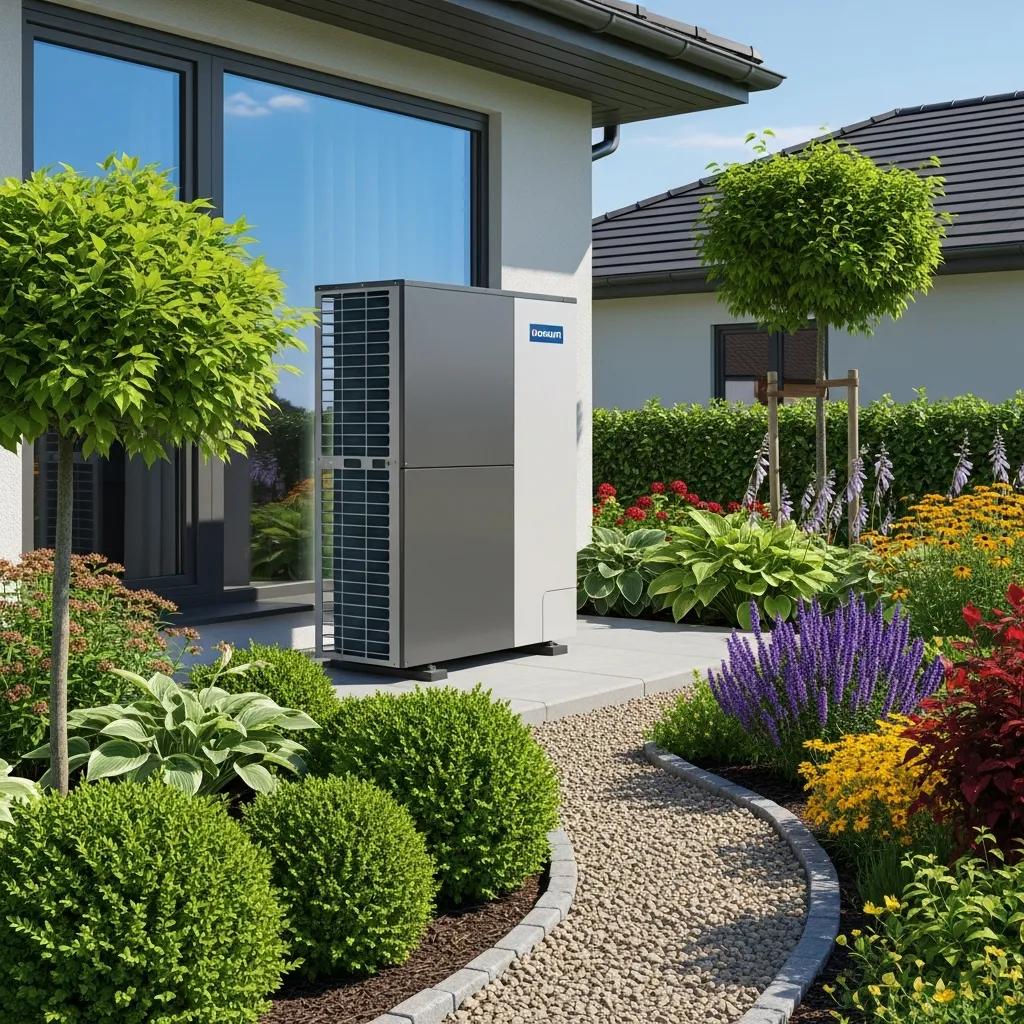
Upgrading to energy‑efficient heating delivers measurable savings, better comfort, quieter operation, and lower environmental impact—plus it can boost resale appeal. Modern systems, whether high‑AFUE furnaces or current heat pumps, convert more fuel or electricity into usable heat and cut waste with improved controls and heat‑exchanger design. Comfort improves thanks to more even temperatures, better humidity control with heat pumps, and fewer drafts when systems are correctly sized and ducts are sealed. Long term you’ll see lower operating costs, fewer emergency repairs, and possible rebates or incentives that speed payback. Understanding these benefits helps you choose systems that match your comfort goals and budget.
Energy‑efficient heating benefits include:
- Lower Energy Use: Modern equipment uses less fuel or electricity to deliver the same heat.
- Improved Comfort: More consistent temperatures and quieter operation make daily life better.
- Enhanced Safety and Air Quality: Sealed combustion and better filtration reduce indoor pollutants and risks.
- Environmental Impact: Higher efficiency lowers greenhouse gas emissions from heating.
| System | Typical Lifespan | Efficiency Metric | Expected Benefit |
|---|---|---|---|
| Furnace (modern high‑efficiency) | 15–20 years | AFUE 90%+ | Noticeable energy savings and long‑term reliability |
| Heat Pump (air‑source) | 10–15+ years | HSPF and SEER metrics | Year‑round efficiency and combined heating/cooling |
| Boiler (modern condensing) | 15–25 years | AFUE >90% (condensing) | Efficient hydronic heat with steady output |
This comparison outlines typical lifespans and performance metrics to help you weigh furnaces, heat pumps, and boilers against the benefits you expect.
Steady Air LLC helps homeowners with system selection and installations for high‑efficiency furnaces and heat pumps. We size systems to your home, consider your efficiency goals, and recommend options that deliver comfort and savings. If you’re thinking about an upgrade, schedule a consultation so we can build an installation plan that fits your home and lifestyle.
How Do New Systems Lower Your Energy Bills?
New systems reduce bills by converting a greater share of input energy into heat and cutting losses with better heat exchangers, compressors, and controls. AFUE (Annual Fuel Utilization Efficiency) shows how well a furnace turns fuel into heat; HSPF and SEER track heat pump performance. Higher ratings mean less wasted energy for each unit of heat. Features like zoning, smart thermostats, and variable‑speed blowers let systems match output to demand, avoid wasteful cycling, and keep temperatures steadier. Real‑world savings depend on your old equipment, fuel type, and usage, but replacing a worn, low‑efficiency unit with a modern system generally lowers monthly energy use and stabilizes costs.
What Comfort and Safety Improvements Can You Expect?
Expect more even temperatures, quieter operation, and better humidity control—especially with heat pumps that also provide efficient cooling. Safety improves with sealed‑combustion designs and modern controls that spot unsafe conditions earlier. Better filtration and ventilation management improve indoor air quality. Professional installation ensures correct venting, combustion air, and electrical connections, which protect warranties and safe operation. Together, these improvements make replacement a sensible move for households that value reliable heating and healthier indoor air.
When Is the Best Time to Replace Your Furnace?
The best time to replace your furnace is in the off‑season—late spring through early fall—when demand is lower, scheduling is easier, and installations are less disruptive. Planning ahead also reduces the chance you’ll need an emergency replacement during cold weather. Replacing a system before winter gives you time for proper sizing, permit work, and financing, and it usually means better contractor availability and steadier pricing. In Western Washington’s mild, wet climate, shoulder seasons are ideal for securing a reliable system before the first sustained cold snap and avoiding the busiest period. Planning proactively also gives you time to evaluate energy‑efficient options and coordinate any duct or insulation work.
Benefits of planning replacement outside peak season:
- Shorter Lead Times: Lower demand means technicians and equipment are easier to schedule.
- Better Scheduling: More flexibility to coordinate demolition, ductwork, and electrical work with less disruption.
- Cost Predictability: Off‑peak timing lowers the chance of emergency premiums and rushed work.
- Improved Selection: Time to compare energy‑efficient options and apply for rebates or financing.
Why Plan Replacement Before the Heating Season?
Replacing before the heating season lowers the risk of breakdowns when you need heat most and gives time for correct sizing and system selection. Advance planning lets you discuss financing, finish needed duct repairs, and line up other home projects that affect performance. It’s also the best time to compare high‑efficiency choices like heat pump installation Graham WA and book installation when technicians are more available. Scheduling proactively sets you up for a smooth install and immediate comfort when colder weather arrives.
How Does Local Climate Influence Replacement Timing?
Western Washington’s mild, wet winters make reliable, efficient heating important while giving homeowners more scheduling flexibility. Because heating demand isn’t as extreme as in colder climates, many homeowners can wait until late spring or summer to replace equipment without losing comfort. That flexibility helps avoid the busiest months. Still, older local homes often have varied insulation and duct conditions, so a thorough pre‑installation assessment is important to ensure the new system performs consistently. Considering climate and home characteristics together helps technicians recommend systems that balance efficiency, dehumidification, and reliability for the region.
If you’re ready to schedule a replacement or want a professional assessment to decide between repair and replacement, contact Steady Air LLC to arrange an on‑site evaluation and to discuss HVAC financing Western Washington options. Steady Air LLC serves Western Washington communities, including Pierce, King, Snohomish, and Thurston counties, and can provide a tailored quote and timeline from our local office at 27327 Meridian Ave East, Graham, WA. Scheduling early in the off‑season improves availability and helps you pick the right system for long‑term savings and comfort.
- Schedule Service: Request an inspection and quote to determine whether repair or replacement is best.
- Discuss Financing: Explore HVAC financing Western Washington options to make replacement manageable.
- Plan Timing: Book installation in late spring or early fall to minimize disruption and avoid peak demand.
Planning now preserves comfort, reduces risk, and positions you to replace your heating system on favorable terms with a trusted local provider.
Conclusion
Replacing your heating system can improve comfort, efficiency, and safety while cutting long‑term energy costs. By spotting the signs of a failing furnace and understanding what influences replacement, you can make informed choices that match your needs and budget. Don’t wait for an emergency—take proactive steps to keep your home warm and efficient. Contact Steady Air LLC today to schedule a professional assessment and explore options for a smooth upgrade.