


Ductless Mini‑Split Repair — Expert Solutions & Clear Cost Guidance
Ductless HVAC repair covers diagnosing and fixing mini‑split heat pump systems that deliver zoned heating and cooling without ductwork. This guide walks you through common problems, safe first‑steps you can try, typical repair types and price ranges, and why professional service often pays off over time. Homeowners and small businesses commonly see issues like weak cooling, dripping water, odd noises, or error codes — symptoms that point to airflow, refrigerant, drainage, electrical, or mechanical faults. Knowing what to look for helps you avoid unnecessary downtime and prevents additional damage. Read on to learn the five most common failure modes, expected costs, what drives pricing, and how regular maintenance keeps your system efficient and reliable in Western Washington.
Ductless mini‑splits are becoming more popular because they deliver zoned comfort without adding ductwork.
Ductless Mini‑Split HVAC System Overview & Zoned Comfort
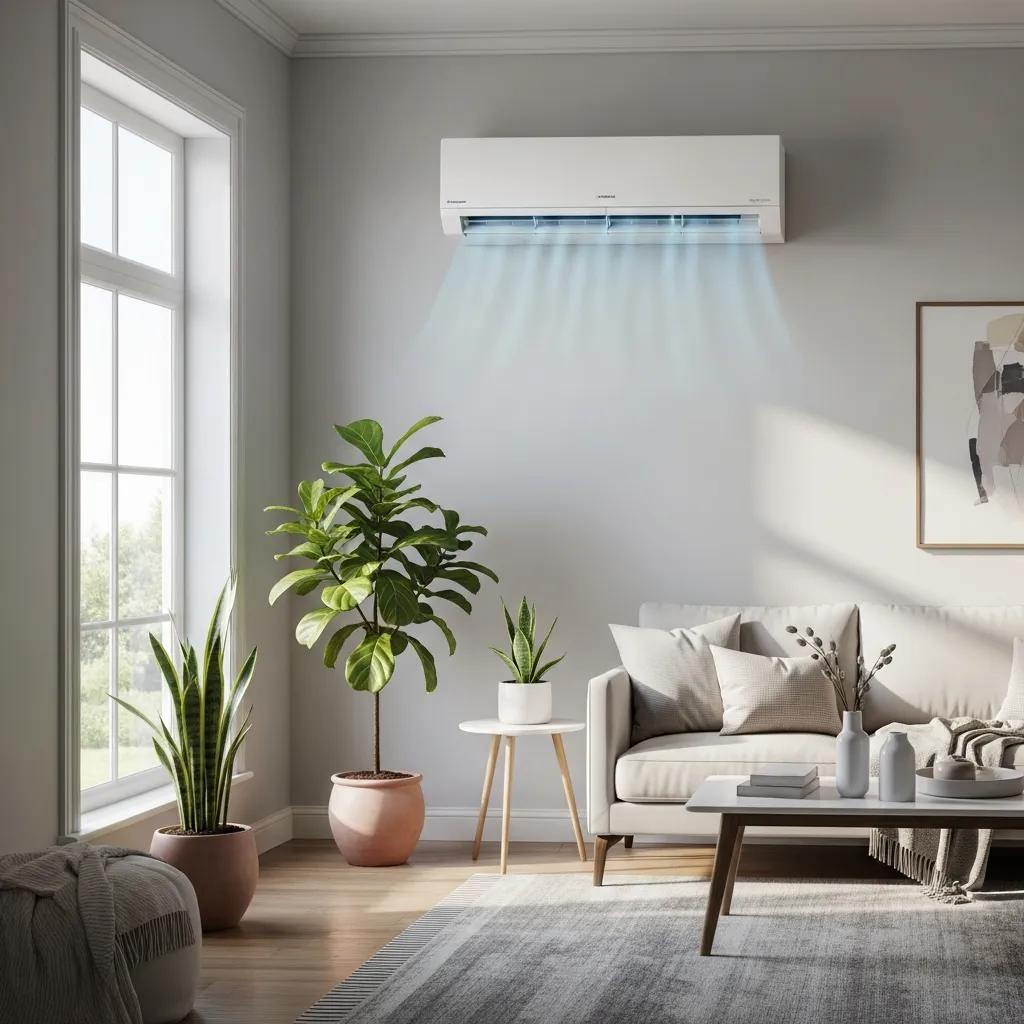
In the United States, ductless mini‑split systems are growing in popularity. A mini‑split heat pump has an outdoor unit that sends hot or cold refrigerant to one or more indoor heads, giving you zoned heating and cooling without extensive ductwork.
A review of ductless mini split HVAC system, N Fumo, 2022
What Are the Most Common Ductless Mini‑Split Problems?
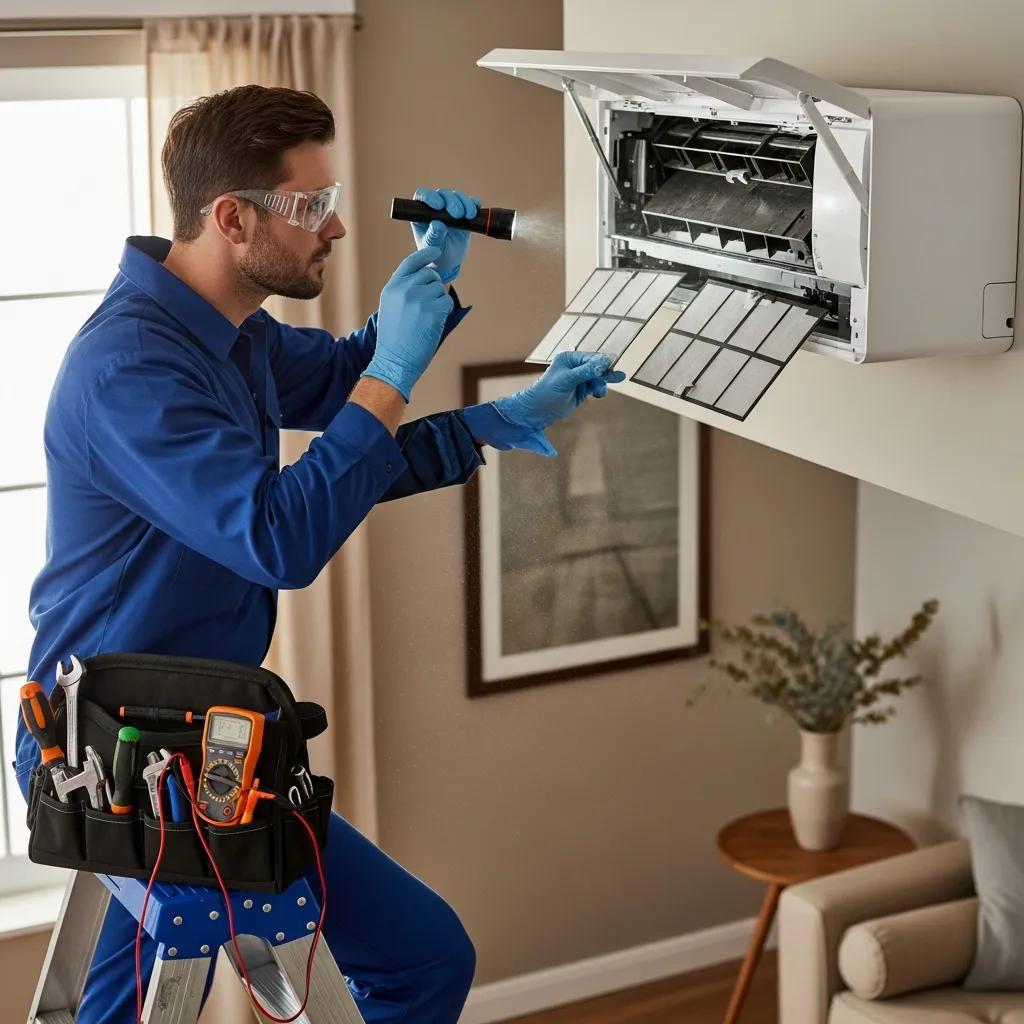
Mini‑splits most often fail in ways that reduce comfort or create safety hazards: restricted airflow, wrong refrigerant charge, clogged condensate drains, electrical faults, or worn compressors and fans. Spotting which symptom links to which system area lets you prioritize fixes and know when to call a pro. Correct identification saves time and money by avoiding unnecessary part swaps and restoring efficiency before bills climb. Below we rank the top warning signs and give simple, safe remedies to try first.
Here are the top five signs a mini‑split needs repair and the immediate action to try:
- Insufficient Cooling or Heating: Start by checking and cleaning or replacing filters, and make sure indoor heads aren’t blocked.
- Visible Water Leaks or Dripping: Look at the condensate pan and drain line for clogs; clear any accessible debris carefully.
- Unusual Noises (rattling, buzzing, grinding): Turn the unit off to avoid damage and note the noise so a technician can diagnose it faster.
- Persistent Error Codes on Display: Write down the exact code and power‑cycle the unit; repeated codes usually mean a sensor, communication, or refrigerant issue needing pro attention.
- Short Cycling or Frequent On/Off: Confirm thermostat settings and airflow; if short cycling continues, it can indicate refrigerant or control problems that need diagnostics.
These checks help you triage safely and flag situations that require certified techs — for example, refrigerant leaks or serious electrical faults. Documenting symptoms and timing also speeds up diagnostics and can reduce repair time and cost.
How to Identify Issues Like Weak Cooling and Water Leaks
Weak cooling shows up as warm air at the indoor head, long run times with little temp change, or uneven zones. Common causes are dirty filters, blocked airflow, wrong thermostat mode, or low refrigerant. Start with a visual check: clean or replace filters, confirm vents are open, and verify thermostat settings — many problems clear with these steps. If the unit still blows warm air and airflow is fine, suspect frozen evaporator coils or a refrigerant leak; those require certified sealed‑system work. Water leaks often come from clogged condensate drains or melting ice during defrost. You can clear accessible drain lines and inspect the condensate pan, but stop DIY if you see mold, steady pooling, or recurring leaks. Record temperatures, run times, and any ice or residue for the technician — it helps pinpoint whether on‑site service or sealed‑system repair is needed.
Understanding Error Codes and Noisy Units
Error codes on a mini‑split control or display are shortcuts for sensor faults, communication errors between indoor and outdoor units, or safety lockouts from pressure or temperature extremes. If a code appears, note it exactly, safely power‑cycle the system, and see if it clears. If it keeps returning, it likely needs component testing with certified tools. Noises also tell a story: rattling usually means loose hardware, buzzing can point to electrical issues, and grinding or clanking often signals worn bearings or fan damage. Turn the system off if you hear alarming sounds and write down when the noise happens — this information speeds a correct diagnosis and reduces exploratory labor.
How Much Does Ductless Mini‑Split Repair Cost?
Repair costs depend on the failure type, parts required, labor complexity, and whether the job involves sealed‑system refrigerant work. Sealed‑system tasks like locating and repairing refrigerant leaks or replacing a compressor incur higher material and labor costs and require certified handling. By contrast, filter changes, fan motors, or control board swaps are often less expensive. Understanding these drivers helps you decide when to repair and when replacement may be the smarter choice.
The table below lists common repair types with representative price ranges so you can set realistic expectations. Quotes vary based on access, refrigerant type, and system model.
| Component / Repair Type | Typical Repair Range | Why Prices Vary |
|---|---|---|
| Refrigerant leak detection & recharge | Moderate to significant | Detection labor, refrigerant type, severity of leak, need for leak sealing |
| Compressor replacement | Substantial investment | Labor intensity, compressor model, access to outdoor unit, warranty status |
| Fan motor or indoor blower replacement | Moderate | Part availability, motor type, indoor unit disassembly complexity |
| Control board / PCB repair or replacement | Moderate to significant | Electronic part cost, programming, and diagnostic time |
| Condensate drain cleaning / minor water leak | Lower to moderate | Access, removal of blockages, mold remediation if present |
These ranges are typical. Final estimates depend on system age, manufacturer parts availability, and whether sealed‑system evacuation and recharge are required — steps that raise cost and add regulatory requirements.
Costs for Refrigerant Leaks and Compressors
Fixing a refrigerant leak usually starts with locating the leak, repairing the site, evacuating the line, and recharging the system. Costs vary with refrigerant type and how easy the leak is to access. Small, accessible leaks are typically at the lower end of the cost spectrum; hard‑to‑find or extensive leaks — or retrofits to newer refrigerants — will increase the overall expense.
Compressor replacement is often one of the most significant repairs in terms of cost. It typically requires recovering refrigerant, removing and replacing the compressor, then recharging and testing the system. The labor and parts involved can sometimes make replacing the outdoor unit or the entire system a more sensible long-term investment in some cases. When multiple major components fail or your system is near end‑of‑life, compare repair cost versus replacement while factoring in energy savings and warranty coverage.
What Affects Price and Payment Options
Price drivers include part availability and brand, labor difficulty based on unit placement, refrigerant regulation and cost, and emergency or after‑hours service premiums. Older systems may need special‑ordered parts, which increases lead time and price. Hard‑to‑reach outdoor units add labor and safety requirements, so accessibility matters. Financing or payment plans can spread the expense over time and make necessary repairs easier to manage. When you request service, ask for an itemized quote separating parts, labor, and any refrigerant or disposal fees so you can compare options clearly.
Before you approve a repair, check these common pricing factors:
- Parts availability and system brand: Some manufacturers have costlier or slower parts.
- Labor complexity and accessibility: Tight spaces or elevated outdoor units add time and cost.
- Refrigerant type and required handling: Some refrigerants are pricier and require certified technicians.
Why Choose Professional Ductless HVAC Repair Services?
Hiring a professional ensures accurate diagnostics, safe refrigerant handling, and repairs that last — which protects comfort and can lower lifetime energy costs. Certified technicians use methodical troubleshooting to find root causes so you avoid repeat breakdowns. Pros also follow refrigerant rules, perform proper evacuation and recharge, and balance airflow and controls for efficient operation. The result is fewer emergency calls, longer equipment life, and more reliable comfort.
The table below shows common professional actions and the homeowner benefits they deliver.
| Diagnostic / Repair Action | Attribute | Benefit |
|---|---|---|
| Professional diagnostics | Accurate refrigerant leak detection | Prevents repeat leaks and restores proper charge for efficiency |
| Proper compressor replacement | Correct sizing and installation | Restores capacity and reduces risk of premature failure |
| Coil cleaning & airflow balancing | Restored heat exchange efficiency | Lowers energy use and improves comfort consistency |
How Expert Repairs Improve Longevity and Efficiency
Professional repairs restore the correct refrigerant charge, clean heat‑exchange surfaces, and ensure proper airflow — all of which improve efficiency and reduce run time. A correctly charged system avoids compressor strain and excessive cycling that cut component life. Clean coils and filters improve heat transfer and lower energy use, often giving steady efficiency gains over years. Routine tune‑ups and timely repairs lead to fewer emergency calls and can delay full replacement, delivering real value over the equipment’s life. Keeping a documented service history also helps you plan upgrades when they make sense.
What Sets Steady Air LLC Apart in Western Washington
Steady Air LLC supports homes and light commercial customers across Pierce, King, Snohomish, and Thurston counties. We focus on clear communication, skilled technicians, and fast, courteous service. Our team provides transparent, itemized quotes so you can compare options easily, and we offer emergency response for urgent ductless failures that affect comfort or safety. Based in Graham, WA, we understand the regional climate and common installation challenges here — that local knowledge helps us diagnose and fix problems faster. If you need a diagnosis or urgent help, call our regional service line to schedule an evaluation and get a clear estimate.
How Can You Troubleshoot and Maintain Your Ductless System?
A short troubleshooting checklist helps you fix minor issues or decide when to call a pro. Safe DIY steps include checking filters, confirming power and thermostat settings, and inspecting condensate lines. Any sealed‑system or electrical work should be left to trained technicians. Regular maintenance — usually yearly or twice a year depending on use — should include coil cleaning, refrigerant checks, airflow verification, and control calibration to prevent breakdowns and extend system life. Below is a simple triage checklist and key maintenance items to schedule with a professional.
Follow this step‑by‑step checklist before calling a technician:
- Check power and thermostat: Make sure the indoor unit is powered and the thermostat mode and setpoint are correct.
- Inspect and clean filters: Dirty filters limit airflow and are an easy first fix.
- Examine condensate drainage: Look for blockages or overflow in the condensate pan and visible drain lines.
- Listen for abnormal sounds: Turn off the unit if you smell burning or hear grinding, and write down what you heard.
- Avoid sealed‑system attempts: Don’t try to repair refrigerant lines, valves, or compressors — those need certified techs.
These steps help you judge urgency and give technicians useful information that shortens diagnostic time.
Basic Troubleshooting Tips for Common Ductless Issues
Start with power and airflow checks — they’re safe, quick, and often solve minor problems. Clean or replace washable filters every 1–3 months depending on use and indoor air quality. Make sure the outdoor unit is clear of leaves, snow, or debris that can limit airflow. If you suspect a refrigerant leak — signs include loss of cooling, ice on the evaporator, or hissing sounds — stop using the unit and call a certified professional for leak detection and sealed‑system repairs. When you contact a technician, share the sequence of events, temperature readings, error codes, and descriptions of noise or odors to speed accurate diagnosis.
Importance of Regular Maintenance and Preventative Care
Scheduled maintenance typically includes coil cleaning, filter service, refrigerant pressure checks, electrical inspections, and control calibration. These steps prevent common failure modes that cause breakdowns during peak seasons. Regular tune‑ups catch early wear, correct refrigerant imbalances, and keep airflow optimal — all of which lower energy use and delay costly replacements while maintaining warranty coverage. Joining a maintenance plan or arranging bi‑annual service with a qualified provider reduces surprise failures and creates a service record that helps future repairs go faster. For dependable long‑term performance, schedule a professional diagnostic or tune‑up with a local provider.
- Key maintenance items: Coil cleaning, filter service, refrigerant verification, electrical inspection.
- Recommended cadence: Annual to bi‑annual checkups depending on climate and usage.
- Long‑term benefit: Fewer emergency repairs, steady efficiency, longer equipment life.
In short: do safe checks first, document symptoms, and call a pro for sealed‑system, electrical, or persistent problems to protect comfort and equipment longevity.
For prompt diagnostics or emergency ductless repair in Western Washington, contact the local service line to schedule an evaluation and get a transparent, itemized quote.
Contact Steady Air LLC for Ductless HVAC Diagnosis & Repair
Knowing the common signs of mini‑split trouble and taking the right next steps keeps your home comfortable and avoids bigger bills later. When in doubt, call a certified technician — local experts like Steady Air LLC offer clear estimates and repairs tailored to Western Washington conditions. Ready for a diagnosis? Contact us today to schedule a full evaluation and restore reliable comfort to your home.