


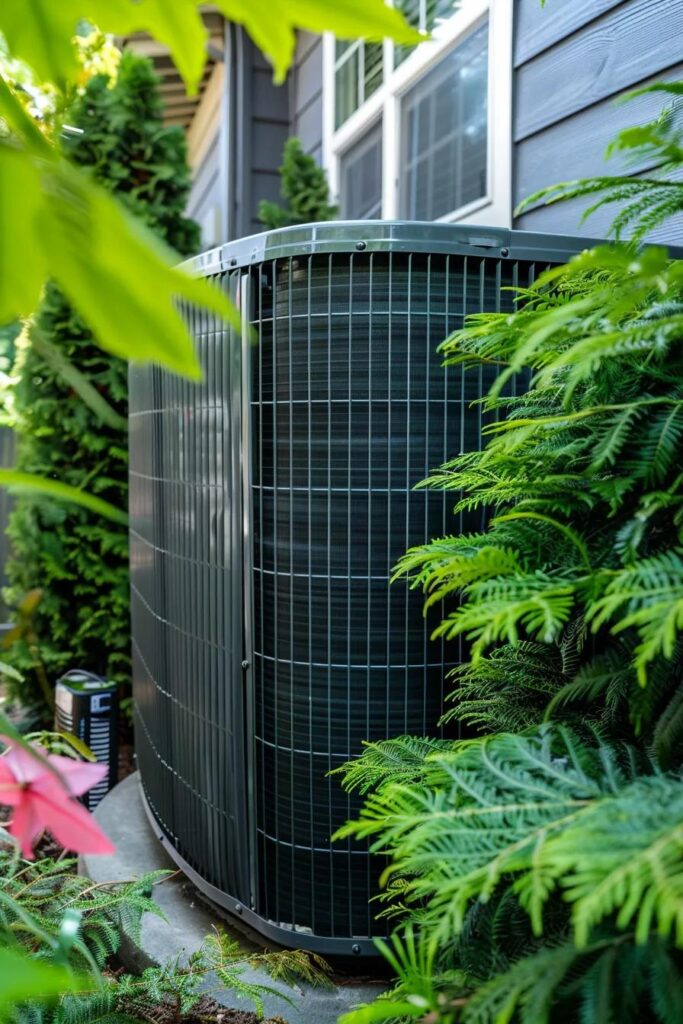
Mastering Heat Pump Sizing: Your Guide to Optimal Capacity in Western Washington
Getting your heat pump sized just right can shave up to 20% off your energy bills and help your system last longer, especially here in Western Washington’s unique coastal climate. This guide will walk you through how to pinpoint the perfect heat pump capacity by looking at your home’s features, calculating heat loss, understanding capacity units like kilowatts, BTUs, and tons, and using sizing tools. We’ll also cover the risks of getting it wrong and why bringing in the pros at Steady Air LLC guarantees precision. Here’s what we’ll cover:
- The key elements that dictate your heat pump’s required power
- A step-by-step approach to heat loss surveys and the Manual J method
- Common capacity measurements and how to convert them
- DIY sizing tools versus the accuracy of expert assessments
- The potential headaches of a heat pump that’s too big or too small
- The advantages of having Steady Air LLC expertly size your heat pump in Western Washington
This comprehensive breakdown ensures every angle of heat pump installation is covered, from your first estimate to planning the final installation.
Perfect Heat Pump Sizing in Western Washington for Maximum Efficiency
Choosing the right heat pump size means balancing your home’s heating needs, cooling demands, and our local climate. Heat pump capacity is measured in kilowatts (kW), British Thermal Units (BTU), or tons, and it needs to precisely match your property’s heat loss and gain. Getting this right means optimal comfort, less frequent on-off cycling, and peak performance all year. Here are the five main factors that guide accurate capacity selection:
How Does Property Size and Layout Affect Heat Pump Sizing?
Your home’s size and how it’s laid out directly impact how much heating and cooling it needs, simply by defining the volume of air that needs conditioning. The square footage, ceiling height, and the arrangement of rooms all contribute to the total heat loss and gain. For example, open-concept living spaces tend to require more capacity per square foot than homes with many separate rooms, due to increased air leakage and heat radiating through larger areas. Accurately measuring your home’s floor area and volume, along with how rooms connect, is crucial for accurate load estimates and system efficiency.
Why Is Insulation and Air Tightness Crucial for Heat Pump Size?
The quality of your insulation and how airtight your home is determine how much heat escapes in the winter or creeps in during the summer. The U-values of your walls and roof, the performance of your windows (especially if they’re double-glazed), and the seals on your doors all play a role in how quickly heat transfers. If your insulation isn’t up to par, more heat is lost each hour, forcing a larger heat pump to work harder to keep your home at the desired temperature. On the flip side, excellent insulation reduces the required capacity, leading to lower equipment costs and reduced energy bills.
How Does Western Washington’s Climate Influence Heat Pump Requirements?
Western Washington’s climate, with its mild winters and moderate summers, means our heat pump sizing often leans towards heating performance, especially down to about 30°F (-1°C). Selecting the right “design temperature” is key to calculating the heating load; using a conservative temperature ensures your system has enough power on the chilliest nights. The coastal humidity and frequent cloud cover also affect the “latent load” (moisture removal), making variable-output inverter heat pumps a smart choice for efficiency when they’re not running at full blast.
What Role Does Occupancy and Hot Water Demand Play in Sizing?
The number of people living in your home and how much hot water you use daily contribute to internal heat gains and the overall system load. More occupants mean more body heat and moisture, which can actually reduce heating needs in living areas but increase the demand for hot water. Homes with multiple bathrooms often have higher peak hot water usage, which might make adding a desuperheater or a separate water-heating loop a good idea. Considering how your household lives and uses appliances helps refine the sizing for both space heating and water heating.
How Do Existing Heating Systems and Ductwork Affect Heat Pump Size?
Whether your heat pump will work with existing radiators, underfloor heating, or ductwork affects how efficiently heat is distributed and what capacity you’ll need. If your ducts are too small or your plenums aren’t sealed properly, airflow will be reduced, meaning the heat pump won’t deliver its full effective capacity. This might necessitate a larger outdoor unit to compensate. Hydronic systems paired with heat pumps need the correct flow rates and emitters sized for the lower temperatures a heat pump typically provides. Evaluating your current equipment and distribution network is essential to ensure the new heat pump works harmoniously with your home’s thermal delivery capabilities.
What Is Manual J Calculation and How Does It Apply to Heat Pumps?
Manual J is the industry-standard methodology in the U.S. for calculating residential heating and cooling loads. It meticulously accounts for all heat loss and gain processes, including occupancy, heat generated by appliances, solar radiation, and ventilation. When applied to heat pump systems, the results from Manual J are crucial for selecting equipment with specific capacity curves and part-load performance, ensuring the system operates efficiently throughout the changing seasons.
How Does Insulation Quality Affect Heat Loss Results?
Better insulation means less heat escapes through conduction, which directly lowers the calculated heat load. For example, upgrading your crawl space insulation from R-11 to R-25 could reduce your home’s overall heat loss by 15–20%. Homes with superior insulation often require smaller, less expensive heat pumps, and may also need smaller ductwork. Conversely, inadequate insulation inflates capacity needs and operating expenses, making insulation upgrades a key consideration in system design.
What Are Typical Heat Loss Values for Western Washington Homes?
In Western Washington, homes with good, modern insulation typically experience heat loss rates of about 20–30 BTU per square foot under design conditions (roughly 2–3 W per square meter per Kelvin). Older homes that haven’t been updated with modern insulation can see rates of 40–50 BTU per square foot. Knowing these local benchmarks helps streamline capacity selection, allowing for sizing that truly reflects regional building practices and our specific climate.
What Are the Common Units for Heat Pump Capacity and How Do You Convert Them?
Heat pump output is usually measured in kilowatts (kW), British Thermal Units per hour (BTU/h), or tons (where 1 ton equals 12,000 BTU/h). Being able to convert between these units is essential for comparing manufacturer specs, understanding local requirements, or evaluating performance data. Here’s a handy conversion table used by HVAC pros:
| Capacity Unit | Typical Measurement | Equivalent Output |
|---|---|---|
| Kilowatt (kW) | Electrical power | 1 kW = 3,412 BTU/h |
| BTU per hour | Heat energy rate | 12,000 BTU/h = 1 ton |
| Tonnage | Cooling capacity | 1 ton = 3.516 kW |
This table helps you make sense of manufacturer ratings and calculate the capacity you need. Understanding these equivalencies empowers you to accurately match system specifications to your home’s calculated load.
What Is a Kilowatt (kW) and How Is It Used in Heat Pump Sizing?
A kilowatt is a unit that measures electrical or thermal power. When sizing a heat pump, kW indicates the heating or cooling output under specific test conditions. For example, a heat pump rated at 5 kW can deliver approximately 17,060 BTU/h under standard conditions. Specifying equipment by kilowatts makes it easier to align with energy modeling and local building codes that often use metric units.
How Do British Thermal Units (BTU) Relate to Heat Pump Capacity?
A British Thermal Unit (BTU) is defined as the amount of heat needed to raise the temperature of one pound of water by one degree Fahrenheit. Heat pump capacities expressed in BTU/h allow for easy comparison with older systems or those based on imperial measurements. For instance, a 36,000 BTU/h system (which is 3 tons) signifies the unit’s capacity to produce or remove that amount of heat every hour, aligning with traditional air conditioning terminology.
What Does Tonnage Mean in Heat Pump Terms?
Tonnage is a measure of cooling capacity, historically based on the amount of heat required to melt one ton of ice over a 24-hour period. One ton is equivalent to 12,000 BTU/h. While primarily a cooling metric, tonnage is still commonly used for systems that provide both heating and cooling. Understanding tonnage ensures compatibility when you’re replacing or upgrading systems in areas where imperial measurements are standard.
How to Convert Between kW, BTU, and Tons for Accurate Sizing?
Converting between these units is straightforward using these formulas:
- Multiply your kW rating by 3,412 to get BTU/h.
- Divide your BTU/h rating by 12,000 to get tons.
- Divide your tonnage rating by 0.293 to get kW.
Applying these conversions ensures you can consistently compare product information, load calculation results, and eligibility for rebate programs.
How to Use a Heat Pump Size Calculator for Initial Estimates in Western Washington
Online or spreadsheet-based calculators can provide quick capacity estimates by correlating your home’s data with climate information. These tools are great for early planning, but they rely on the accuracy of the information you input, which might miss crucial details. Understanding their limitations and backing up the results with a professional assessment ensures a reliable system design.
What Inputs Are Needed for a Heat Pump Sizing Calculator?
For a heat pump sizing calculator to be effective, you’ll need to provide:
- The total conditioned floor area and ceiling height
- The insulation levels in your walls, roof, and floors
- Your home’s airtightness or air change rates
- Local design temperature and humidity factors
- Information on occupancy density and hot water usage
Providing the most accurate inputs possible will maximize the calculator’s predictive value and help narrow down your equipment choices.
How Accurate Are DIY Heat Pump Size Calculators Compared to Professional Assessments?
When users have detailed building specifications, DIY calculators can typically provide estimates within about ±20% of the true load. Professional assessments, however, refine these inputs through methods like blower-door tests, U-value measurements, and shading analysis, achieving accuracy within ±5%. While calculators speed up the initial decision-making process, they can’t match the precision of an on-site, expert evaluation.
What Are the Limitations of Online Heat Pump Sizing Tools?
Online tools often overlook important nuances such as: hvac resources.
- Thermal bridging where structural elements meet
- Local infiltration rates influenced by wind
- The impact of solar heat gain and shading
- Inefficiencies within the distribution system (ductwork)
Recognizing these potential gaps highlights why a detailed, professional survey is essential when finalizing your equipment selection.
How Can Steady Air LLC’s Local Expertise Improve Your Heat Pump Sizing?
Steady Air LLC combines deep knowledge of our regional climate with certified heat loss methodologies to provide highly tailored capacity recommendations. Our licensed professionals conduct thorough Manual J calculations and duct evaluations to ensure your heat pump’s performance perfectly matches your home’s characteristics. This expert approach significantly reduces the risk of oversizing, guarantees seasonal efficiency, and supports the long-term reliability of your system.
What Are the Risks of Incorrect Heat Pump Sizing?
Choosing a heat pump that’s either too small or too large leads to inefficiency, discomfort, and higher operating costs. An undersized unit will struggle on cold days, failing to produce enough heat and driving up energy use. An oversized unit will cycle on and off too frequently, causing uneven temperatures, humidity problems, and premature wear on the compressor. Proper sizing prevents these issues and helps your system last longer.
What Happens If Your Heat Pump Is Too Small?
An undersized heat pump simply can’t meet your home’s peak heating demands. This results in it running constantly without reaching the set temperature, leading to higher energy bills, discomfort during cold weather, and increased stress on its components. You might find yourself relying on supplemental heating sources more often, which defeats the purpose of having an efficient heat pump.
What Are the Problems with an Oversized Heat Pump?
Oversized heat pumps tend to “short-cycle”—they reach the thermostat’s setpoint very quickly and shut off before they’ve had a chance to properly dehumidify the air or distribute conditioned air evenly throughout the house. This leads to uncomfortable humidity levels, noticeable cold spots, and increased mechanical wear from frequent starts and stops. Running at less than optimal capacity also reduces the system’s overall Seasonal Energy Efficiency Ratio (SEER) performance.
How Does Proper Sizing Improve Heat Pump Efficiency and Longevity?
Heat pumps that are sized correctly run for longer, more consistent cycles at their optimal capacity. This leads to more even temperatures throughout your home and effective moisture control. These steady run times minimize the wear and tear associated with frequent start-stop cycles, reducing electrical surges and mechanical stress. This balanced operation maximizes the system’s Coefficient of Performance (COP) and helps ensure it maintains manufacturer performance warranties.
What Are Common Mistakes to Avoid When Sizing a Heat Pump?
Some frequent errors include:
- Relying only on square footage without considering the home’s volume or layout.
- Overlooking the impact of air infiltration and ventilation loads.
- Failing to account for how ductwork or hydronic systems affect heat delivery.
Avoiding these common pitfalls ensures that the capacity you select truly matches your home’s actual demands and your existing system’s constraints.
Why Should You Hire a Professional for Heat Pump Sizing in Western Washington?
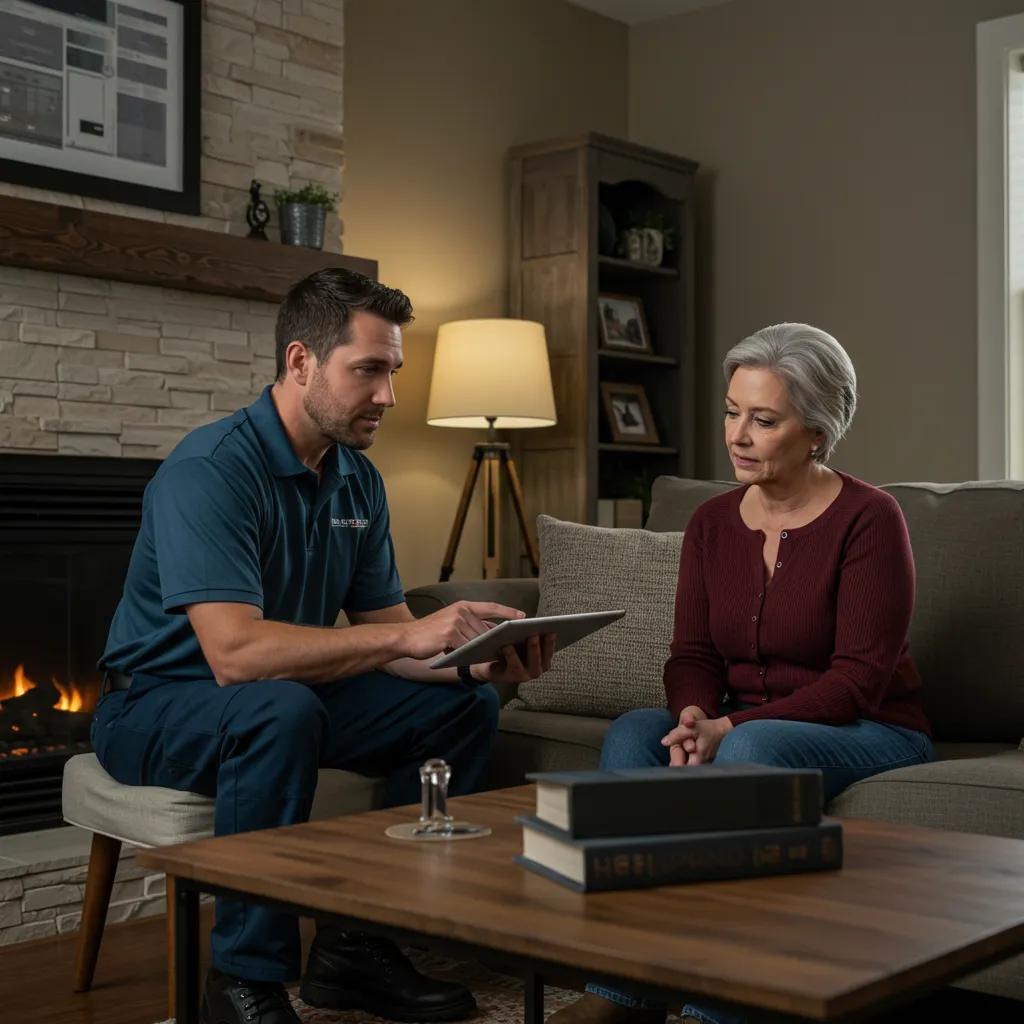
Professional sizing guarantees precise, code-compliant results that maximize your investment. Our certified installers adhere to industry best practices, understand local building codes, and can help you navigate available incentive programs. Partnering with experts ensures thorough diagnostics, accurate load calculations, and seamless integration with your home’s existing HVAC infrastructure.
What Does a Professional Heat Loss Survey Include?
A professional survey typically involves:
- Detailed measurements of your home’s envelope and verification of U-values
- A blower-door test to precisely measure airtightness
- On-site assessments of air infiltration
- Analysis of environmental factors like solar gains and wind pressure
This rigorous process yields an accurate load profile essential for guiding equipment selection.
How Does Steady Air LLC Ensure Accurate Heat Pump Sizing?
Steady Air LLC technicians are BBB-accredited and expertly trained in Manual J protocols. We combine blower-door tests, infrared thermography, and humidity analysis to precisely quantify heat loss and gain. Our comprehensive duct analysis verifies airflow requirements, ensuring the installed equipment perfectly matches both your home’s load and your distribution system’s capacity.
What Local Building Codes and Energy Programs Affect Heat Pump Sizing?
Building codes in Western Washington typically reference the International Energy Conservation Code (IECC), incorporating regional climate data. State and utility rebate programs often require documented Manual J reports and specific equipment performance ratings. Our professionals are well-versed in these requirements, ensuring your system design is optimized and you can take advantage of available incentives.
How Can Professional Sizing Save You Money and Improve Comfort?
Accurate sizing minimizes energy waste and reduces your long-term operating expenses. Heat pumps sized correctly deliver consistent temperatures and effective humidity control, eliminating cold spots and drafts. Improved efficiency can also mean smaller ductwork requirements and simpler installation, leading to savings on both the initial cost and your monthly utility bills.