Understanding HVAC System Efficiency Ratings
HVAC system efficiency ratings are crucial for homeowners to consider when selecting a heating or cooling system. These ratings, such as SEER (Seasonal Energy Efficiency Ratio) for air conditioners and AFUE (Annual Fuel Utilization Efficiency) for furnaces, indicate how effectively a system converts energy into heating or cooling output. Higher ratings typically mean better efficiency and lower energy bills, making it essential for consumers to understand these metrics.
For example, a central air conditioning unit with a SEER rating of 16 is significantly more efficient than one with a rating of 13. This difference can lead to substantial savings over time, especially during peak summer months when cooling costs can skyrocket. Homeowners should consult with HVAC professionals to select systems that not only fit their budget but also offer optimal efficiency for their specific needs.
Common HVAC Maintenance Tips for Homeowners
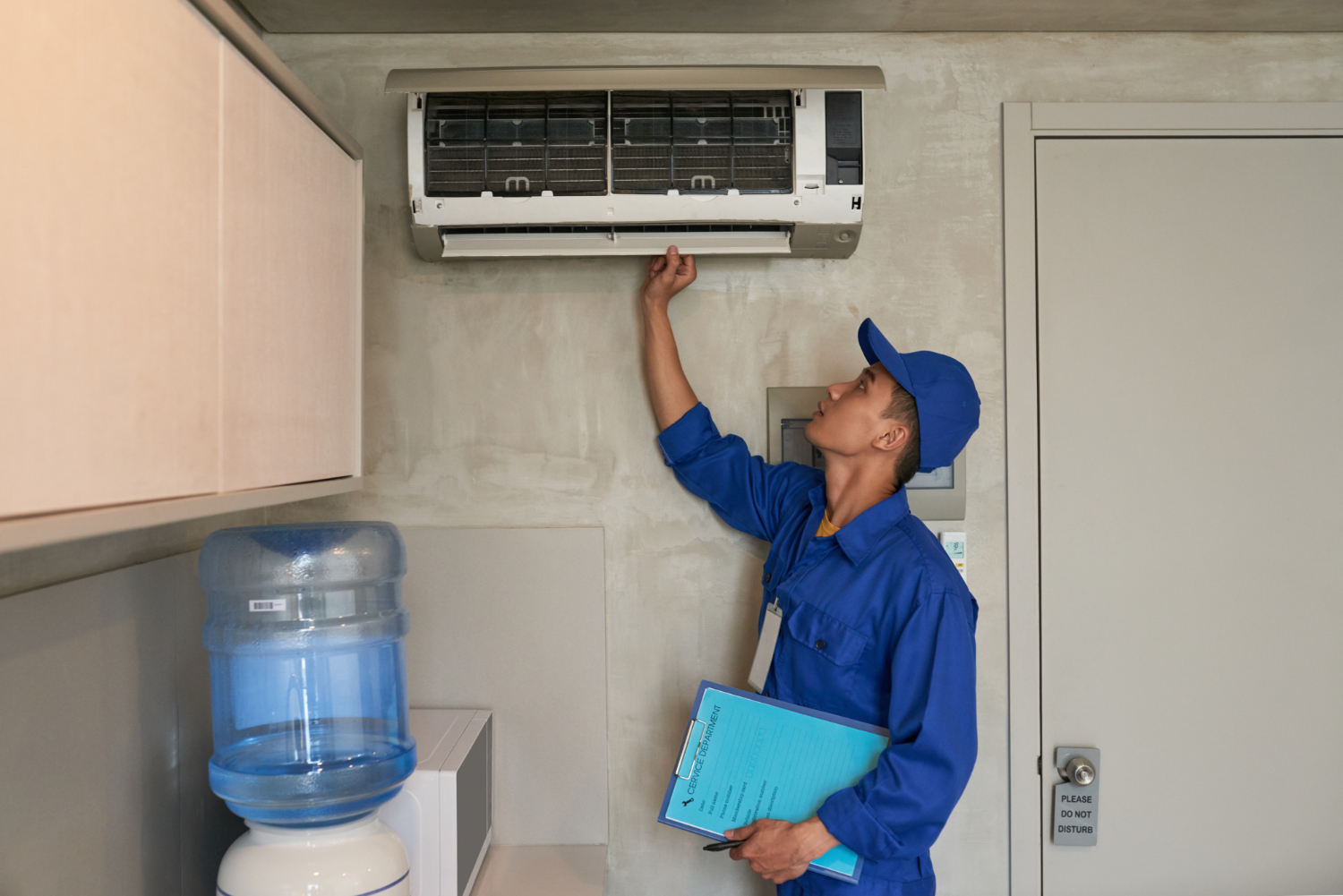
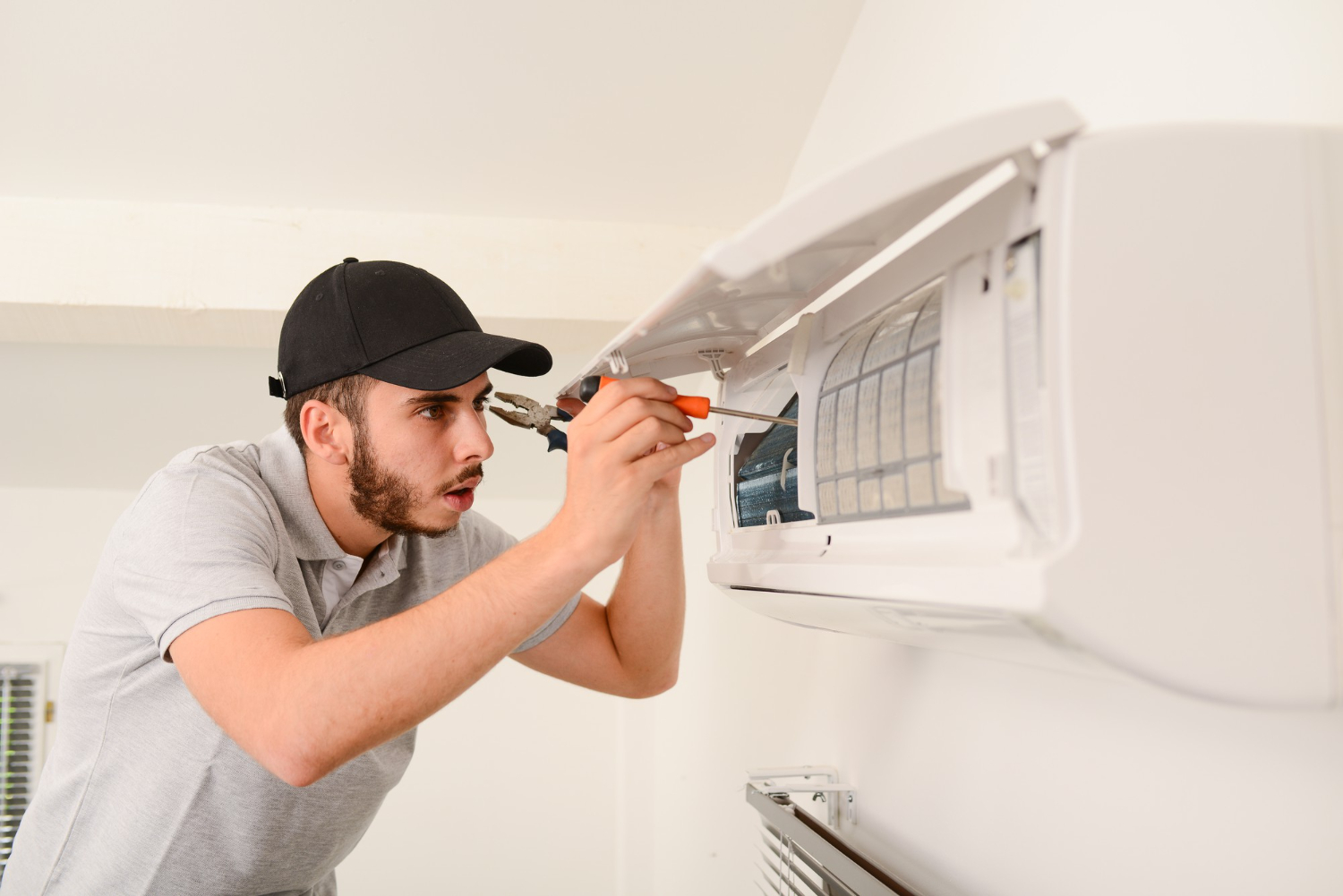
Regular maintenance is key to ensuring the longevity and efficiency of your HVAC system. Homeowners can perform simple tasks such as changing air filters every one to three months, cleaning outdoor condenser units, and ensuring that vents are unobstructed. These routine checks can prevent common issues that may lead to costly repairs or system failures.
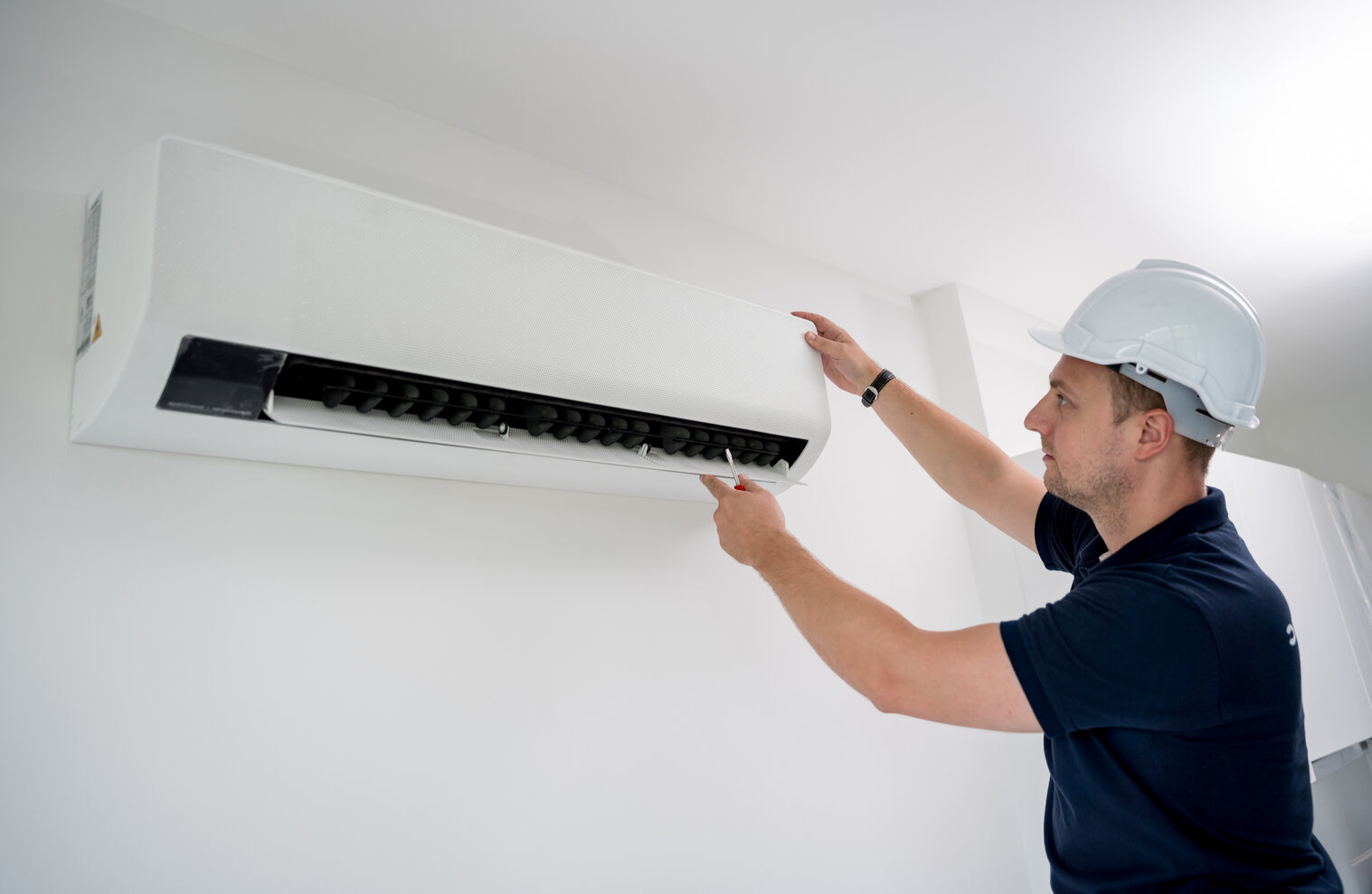
In addition to these tasks, scheduling professional maintenance at least once a year can help identify potential problems before they escalate. HVAC technicians can perform comprehensive inspections, clean essential components, and tune the system for optimal performance, ultimately extending its lifespan and improving energy efficiency.
The Importance of Indoor Air Quality (IAQ)
Indoor air quality (IAQ) is a vital aspect of home comfort and health. Poor IAQ can lead to various health issues, including allergies, asthma, and other respiratory problems. Factors affecting IAQ include dust, mold, pet dander, and volatile organic compounds (VOCs) emitted from household products. Homeowners should be proactive in monitoring and improving their indoor air quality.
Implementing solutions such as air purifiers, regular duct cleaning, and using low-VOC paints can significantly enhance IAQ. Additionally, ensuring proper ventilation in the home and maintaining humidity levels can help mitigate health risks associated with poor air quality. Awareness of IAQ is essential for creating a safe and comfortable living environment.
Understanding Ductless HVAC Systems: Benefits and Applications
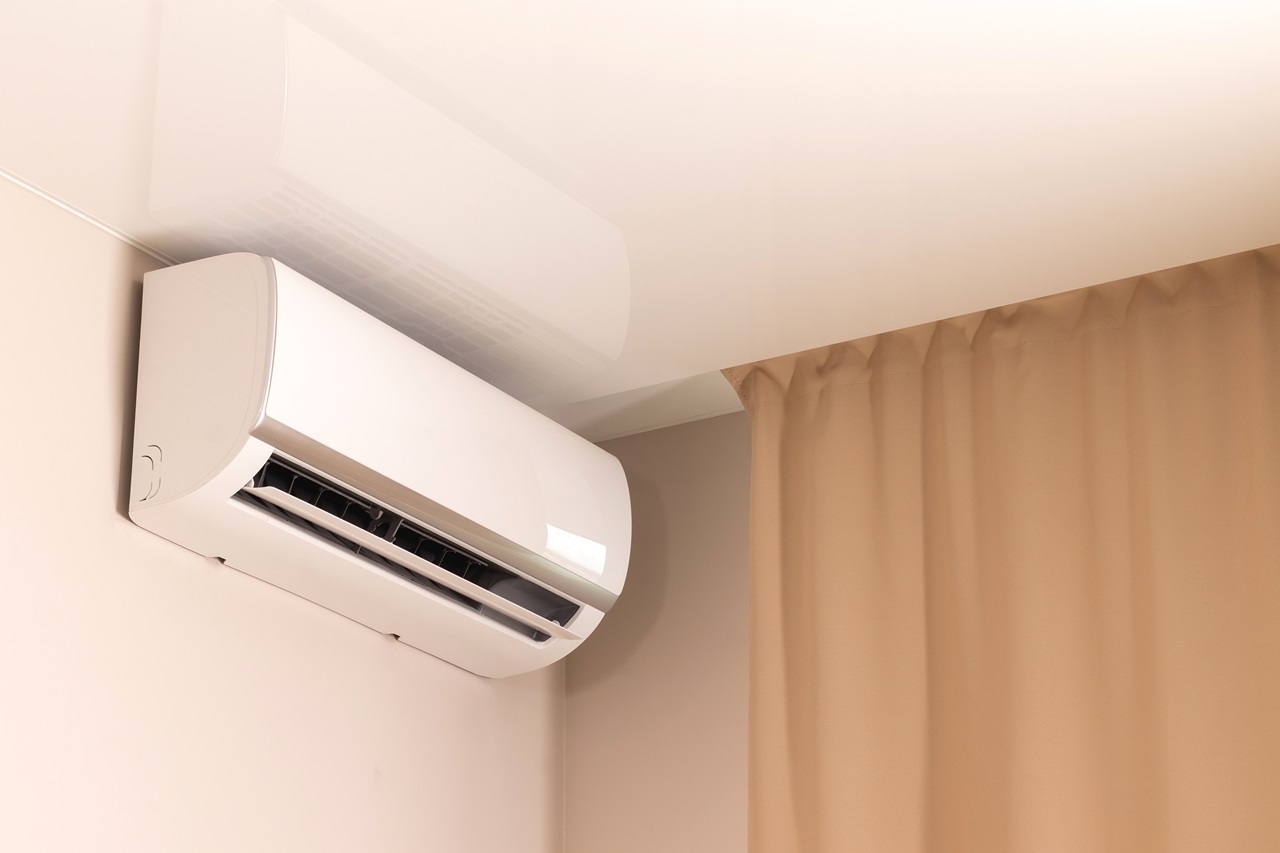
Ductless HVAC systems, also known as mini-split systems, offer a flexible and efficient solution for heating and cooling spaces without the need for ductwork. These systems are ideal for homes with no existing ductwork, additions, or specific rooms that require individualized climate control. Their design allows for easy installation and the ability to control temperatures in different zones of the home.
One of the main benefits of ductless systems is their energy efficiency. Many models have high SEER ratings, which can lead to significant savings on energy bills. Furthermore, they provide both heating and cooling capabilities, making them versatile for year-round comfort. Homeowners considering a ductless system should consult with HVAC professionals to determine the best configuration for their space.