


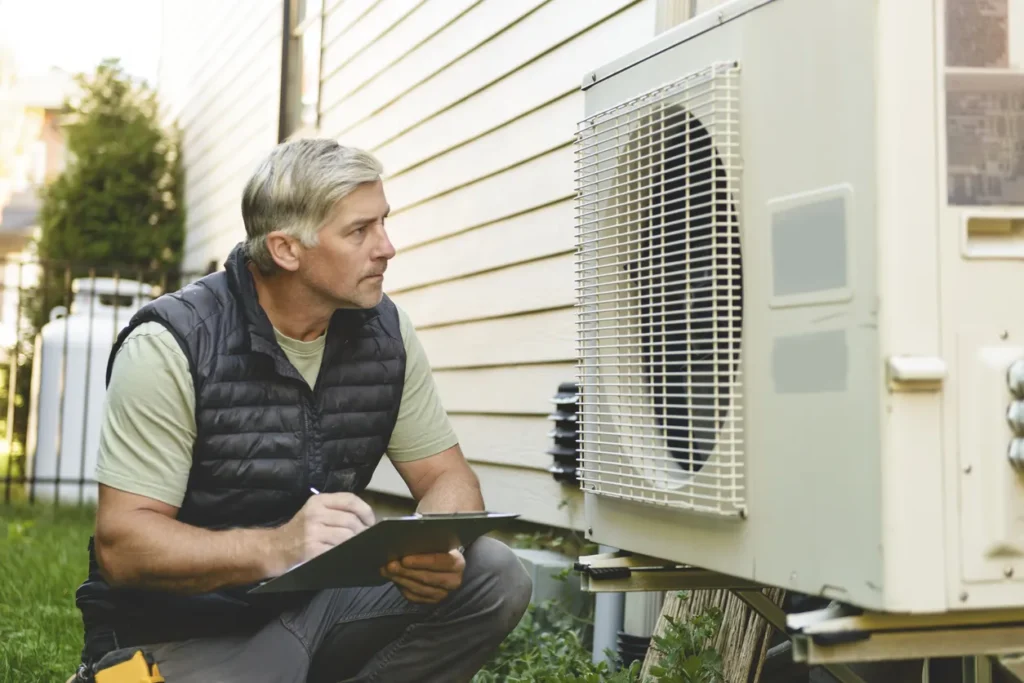
Heat Pump Troubleshooting: Top Problems & Solutions
Heat pump problems range from a unit that won’t deliver heat to systems that short-cycle, leak, or ice up; understanding the mechanics behind each failure helps homeowners take fast, safe action and avoid costly damage. Heat pumps move heat through refrigerant, coils, and fans; when airflow, refrigerant charge, or control components fail, performance drops and energy bills rise. This guide explains the most common heat pump failures—no heat or cold air in heating mode, freezing or icing, unusual noises and smells, leaks and refrigerant issues, and abnormal cycling—and gives clear DIY checks plus when to call a professional. You will learn symptom-based diagnostics, quick safe fixes to try at home, prioritized troubleshooting steps for Western Washington’s damp-cold climate, and how routine maintenance prevents many of these problems. Throughout the article we include practical lists and comparison tables to map symptoms to causes, and brief notes on how Steady Air LLC’s local expertise and maintenance plans can help homeowners schedule repairs or tune-ups when professional service is needed.
Why Is My Heat Pump Not Working or Blowing Cold Air?
A heat pump that won’t heat or that blows cold air in heating mode signals either control/mode errors, airflow restrictions, or thermal/refrigerant faults that prevent heat transfer. In heating mode the reversing valve, thermostat signals, compressor operation, and sufficient refrigerant are critical; any fault along this chain can result in cold output despite running fans. Quick homeowner checks reduce diagnostic time: confirm the thermostat is set to heat and the setpoint is above room temperature, inspect and replace a clogged filter, and verify breakers and outdoor unit power. These checks clarify whether the issue is user-adjustable or requires a trained technician for electrical, refrigerant, or reversing-valve repairs. Understanding the symptom pattern narrows possible causes and prepares you to describe the problem accurately to a service professional.
What Are the Common Symptoms of a Heat Pump Not Heating Properly?
Homeowners commonly notice a lack of warm airflow, long run times with little temperature gain, or a system that circulates air without the compressor engaging, and each symptom points to distinct failure modes. Reduced airflow often means a clogged filter, blocked return, or failing fan motor and generally produces cooler supply air by limiting the heat exchanger’s ability to move heat. Long runtimes with minimal temperature change suggest low refrigerant, failing compressor capacity, or reversed airflow and may coincide with frost on outdoor coils in cold weather. Recording observable signs—air temperature at a vent, indoor vs. outdoor temperatures, and any unusual sounds—helps separate simple fixes from problems needing a certified technician.
What Causes a Heat Pump to Blow Cold Air in Winter?
Several causes make a heat pump blow cold air in heating season: an incorrectly set thermostat or heat mode, reversible-valve failure, low refrigerant, or a blocked airflow system, and each cause requires a different remedy. A thermostat left on “cool” or with incorrect staging will command cold operation even when the rest of the system is functional, making this the simplest homeowner check. Reversing valve faults or low refrigerant affect the refrigeration cycle and typically require licensed service to diagnose with gauges and electrical testing. For safety and correct diagnosis, avoid attempting refrigerant repairs yourself; instead, document symptoms and schedule professional inspection if basic checks don’t resolve the issue.
For homeowners in Western Washington, local moisture and frequent mild-thaw cycles can exacerbate refrigerant and coil issues; Steady Air LLC offers localized diagnostics, emergency repair availability, and expertise in and replacement across Western Washington. Steady Air LLC’s technicians can assess reversing valves, perform refrigerant checks, and recommend repairs or replacements based on observed symptoms and performance testing.
| Symptom | Probable Cause(s) | Quick DIY Check | Professional Action |
|---|---|---|---|
| No warm air at vents while fan runs | Thermostat mode, airflow blockage, compressor not running | Confirm thermostat set to heat; check filter and outdoor unit airflow | Electrical/compressor diagnosis, reversing valve check, refrigerant pressure test |
| Reduced airflow and cooler-than-usual output | Dirty filter, blocked return ducts, fan motor issues | Replace/clean filter; inspect returns and outdoor fan | Fan motor replacement, duct inspection and balancing |
| Unit runs long but temperature won’t rise | Low refrigerant, failed compressor, coil issues | Check for frost/ice on outdoor coil; note run time | Leak detection, refrigerant recovery/recharge, compressor service |
| Intermittent heating with cold blasts | Reversing valve malfunction or control/defrost issues | Observe mode changes and listen for valve click | Reversing valve repair/replacement, control board diagnostics |
How Can I Identify and Fix Heat Pump Freezing or Icing Problems?
Icing on an outdoor heat pump coil occurs when the coil surface drops below freezing and moisture accumulates faster than the defrost cycle or airflow can remove it; normal systems use automatic defrost cycles to shed ice, but persistent or heavy ice indicates airflow or refrigerant faults. In cold, wet climates like Western Washington, frequent mild conditions with high humidity make defrost control and airflow particularly important, so clogged filters, dirty coils, or slow fan operation are common contributors. Immediate homeowner actions include turning the system off if heavy ice threatens mechanical damage, clearing snow and debris from around the outdoor unit, and checking that the condensate and drainage paths are free. If icing persists after basic clearance and checks, the root cause is often a failed defrost control, a faulty temperature sensor, or a refrigerant imbalance—issues that require certified diagnostic tools and technician intervention. For , it’s best to consult with a professional.
What Are the Signs of a Frozen or Iced-Up Heat Pump?
Signs of an iced-up unit include visible ice build-up on the outdoor coil, dripping water that refreezes, reduced heat output indoors, and unusual strain sounds as the compressor runs longer with reduced efficiency. Owners may notice the system running continuously without warming the house, accompanied by decreased airflow and sometimes a distinct change in outdoor unit sound during frost periods. Observing when the defrost cycle occurs—whether the unit periodically reverses and sheds ice—is helpful to report to a technician. If heavy ice forms quickly after clearing or ice returns within hours, power down the unit and contact a professional to prevent compressor or coil damage.
What Are the Main Causes of Heat Pump Freezing and How Can They Be Resolved?
Common causes of persistent icing include restricted airflow from dirty filters and obstructed returns, low refrigerant that lowers coil temperature below design parameters, and failed defrost controls or sensors that don’t initiate defrost cycles when needed. Homeowners can reduce icing risk by ensuring clear airflow paths, keeping vegetation and debris away from the outdoor unit, and maintaining scheduled filter changes; these steps often prevent minor icing. When replenishing refrigerant or repairing defrost controls is necessary, technicians will perform leak detection, pressure testing, and control diagnostics to restore correct thermal cycling. Repaired systems should demonstrate consistent defrost cycles and return to normal heat output, reducing the likelihood of recurring ice.
Icing problems are often tied to maintenance and refrigerant balance; regular preventative care minimizes recurrence. If homeowner checks don’t eliminate ice or if you observe repeating defrost failures, a trained technician should inspect controls and refrigerant systems.
Steady Air LLC’s local experience in Western Washington means technicians are familiar with the region’s icing patterns and common installation vulnerabilities; they offer emergency response and targeted repairs to restore defrost function and correct underlying refrigerant or airflow issues. Their service approach includes on-site diagnostics, coil cleaning, defrost control verification, and recommendations for preventive maintenance to reduce future icing incidents.
What Are the Common Causes of Heat Pump Making Strange Noises or Smells?
Unusual noises and smells from a heat pump typically indicate mechanical wear, loose components, electrical arcing, or biological growth; identifying the noise or odor type helps prioritize safety and repair steps. Mechanical noises such as rattling, grinding, or squealing often point to fan blade issues, motor bearings, or loose panels, while hissing or bubbling sounds may signal refrigerant flow issues or pressure irregularities. A burning electrical smell is a red flag for an electrical fault and warrants immediate shutdown and professional assessment, whereas musty or moldy odors usually originate from dirty coils, drip pans, or ductwork moisture that foster microbial growth. Proper identification of the sound or smell and when it occurs (startup, steady run, or during defrost) guides whether you can perform safe, temporary mitigation or must call a technician.
How Do Mechanical and Electrical Problems Affect Heat Pump Noise?
Mechanical faults generate predictable noise signatures: rattling frequently means loose panels, debris, or failing fan mounts; grinding or squealing often indicates motor or bearing failure; and clunking during compressor start can be relay or mount-related. Electrical issues can create buzzing, intermittent hums, or arcing smells and represent higher safety risk; these symptoms typically require immediate power-down and professional electrical inspection. Isolating when the noise happens—during startup, steady-state operation, or defrost—helps narrow the cause and supports efficient technician diagnostics. For safety, do not probe electrical components; record the noise pattern and relay that information to the service technician for faster troubleshooting.
What Solutions Are Available for Heat Pump Odors and Mold Issues?
Moldy or musty odors are most often solved by addressing moisture and cleanliness: replace filters regularly, clean condensate pans and drain lines, and schedule coil cleaning to remove biological growth that emits odors. Homeowners can perform basic filter changes and verify drain lines are flowing, but full coil disinfecting and duct cleaning are best performed by trained techs using appropriate cleaning agents and containment to avoid spreading spores. For persistent or severe mold issues, professional remediation that includes moisture source control and HVAC sanitization reduces recurrence and improves indoor air quality. Addressing odors promptly not only restores comfort but also prevents potential health issues associated with long-term airborne biological contaminants.
If you detect burning smells or electrical arcing, shut off the system and seek immediate professional service due to fire risk. For biological odors, start with filter replacement and drain clearing, then arrange targeted coil and duct cleaning if odors persist.
Steady Air LLC provides diagnostics for mechanical noises and electrical testing for safety concerns, and offers coil and drain cleaning services to address odors and mold. Their technicians can prioritize repairs or remediation steps and recommend maintenance changes to prevent recurrence based on observed conditions.
How Do I Troubleshoot and Prevent Heat Pump Leaks and Refrigerant Problems?
Leaks in systems can be refrigerant leaks or condensate/water leaks, and distinguishing between them is critical because refrigerant work requires certified handling while water leaks typically involve drain or pan clearing. Refrigerant leaks often present as oily residue, reduced system capacity, and hissing sounds, and they may cause coils to frost. Condensate leaks usually show pooled water near the indoor unit, overflowed pans, or clogged drain lines. Safe homeowner steps include inspecting visible piping for pooling or oily stains, checking condensate drains and pans for blockage, and noting system performance; avoid attempting refrigerant repairs and instead call a certified technician for leak detection and proper refrigerant recovery.
What Are the Symptoms of Refrigerant and Water Leaks in Heat Pumps?
Refrigerant leaks manifest as gradual loss of heating capacity, decreased pressure readings if gauge-tested, ice on evaporator coils, and sometimes an oily residue around fittings; homeowners may also hear faint hissing from a pressurized line. Water leaks present with visible pooling, damp ceilings or walls near indoor units, and occasionally, water dripping from indoor vents caused by condensate line blockages or pan cracks. Performance drops combined with visual signs help differentiate the leak type and determine urgency; refrigerant leaks require immediate professional response to protect system components and comply with regulations, while many condensate issues can be cleared quickly to prevent water damage. Documenting symptom progression and where moisture appears helps technicians locate and repair the source efficiently.
Intro to diagnostic table: The following table differentiates refrigerant leaks from condensate or water leaks and outlines appropriate immediate homeowner safeguards and next steps.
| Leak Type | Symptom(s) | Diagnostic Attribute | Immediate Safeguard / Next Step |
|---|---|---|---|
| Refrigerant leak | Hissing, oily residue, reduced heat | Pressure loss, coil frost, performance drop | Power down if frost observed; schedule certified leak detection |
| Condensate drain clog | Water pooling, overflow at indoor unit | Visible drip, pan overflow, slow drain | Clear accessible drain line; place bucket to catch water; schedule cleaning |
| Pan/crack or fitting leak | Steady drip under unit, staining | Localized water trail, no system pressure change | Turn off unit to prevent damage; call technician for pan repair |
How Can Professional Repair and Maintenance Address Heat Pump Leaks?
Technicians use pressure testing, electronic leak detectors, and infrared or dye testing to pinpoint refrigerant leaks and then perform refrigerant recovery, repair of the leak source, and controlled recharge per regulations and manufacturer specifications. For condensate issues, professionals clear clogged drains, inspect and repair cracked pans, and reinstall or replace drain components to restore reliable drainage. Certified technicians also evaluate whether recurring leaks stem from installation flaws, corrosion, or vibration-induced stress and recommend longer-term fixes such as line insulation, bracket supports, or component replacement. Regular maintenance reduces the likelihood of leaks by catching early signs—loose fittings, minor oil stains, or slow drainage—before they escalate.
Steady Air LLC’s service technicians can conduct leak detection and safe refrigerant handling and provide drain clearing and pan repair services; their maintenance plans include inspections that identify early leak indicators and to minimize emergency breakdowns.
Why Is My Heat Pump Short Cycling or Running Constantly and How Can I Fix It?
Short cycling (frequent on/off cycles) and continuous running both reduce efficiency and accelerate wear; causes range from incorrect sizing, thermostat or control problems, to airflow restrictions and refrigerant imbalance. An oversized unit may short cycle because it reaches setpoint quickly and then shuts off repeatedly, while thermostat placement near drafts or heat sources can cause rapid cycling due to inaccurate temperature sensing. Continuous running often indicates the system cannot reach the thermostatic setpoint because of airflow restrictions, low refrigerant, or failing components. Diagnosing whether the issue is control logic, equipment sizing, or mechanical requires systematic checks—starting with simple homeowner steps and proceeding to professional performance testing when needed.
What Causes Heat Pump Short Cycling and Continuous Running?
Short cycling often stems from oversized equipment, incorrect thermostat settings or wiring faults, and failed control relays that rapidly open and close; continuous running can reflect low refrigerant, blocked airflow, or compressor inefficiency. Thermostat issues are surprisingly common—wrong heat anticipator settings, misplacement near drafty windows or sunlight, or faulty wiring can all create false temperature readings that trigger frequent cycles or extended runs. Restricted airflow from dirty filters or closed registers forces the system to run longer without achieving comfort levels, and refrigerant problems change thermal transfer efficiency causing prolonged runtimes. Identifying whether control, thermal, or airflow issues dominate helps target the right corrective measures.
What Are the Best Solutions to Improve Heat Pump Efficiency and Operation?
Improving runtime behavior starts with homeowner actions: move the thermostat away from heat sources and drafts, replace filters regularly, and ensure supply and return registers are open and unobstructed to restore correct airflow. For persistent issues, professional services include performance tune-ups, refrigerant balance and leak repair, duct sealing and balancing, and assessment of system sizing or control upgrades such as staged thermostats. Upgrading thermostat programming and implementing staging can prevent undue cycling by matching equipment capacity to load more precisely. Regular maintenance and targeted technician adjustments often restore efficient cycling behavior, reduce energy use, and extend equipment life.
Steady Air LLC offers performance tune-ups and airflow-balancing services that address both short cycling and constant-run conditions; their Western Washington technicians evaluate thermostat placement, refrigerant charge, and duct performance to recommend corrective actions that improve efficiency and comfort. For more information about their heating services, visit heating tune-up Graham WA.
How Often Should I Schedule Heat Pump Maintenance to Avoid Common Problems?
Regular maintenance prevents many heat pump failures by ensuring airflow, proper refrigerant charge, clean coils, and functioning controls; a predictable maintenance cadence reduces emergency repairs and extends equipment life. For most residential systems, seasonal inspections—typically in fall before heating season and in spring before cooling—combined with mid-season filter checks catch most issues arising from seasonal humidity cycles and debris accumulation. During a maintenance visit, technicians inspect electrical connections, measure refrigerant pressures, clean condensate systems, lubricate moving parts where applicable, and test defrost and control sequences; these tasks target the root causes highlighted earlier, such as airflow restrictions, refrigerant imbalance, and control failures. Following a maintenance schedule aligned with local climate patterns mitigates Western Washington’s damp-weather risks and preserves system efficiency.
Conclusion
Understanding common heat pump problems and their solutions empowers homeowners to take proactive steps in maintaining their systems, ultimately enhancing comfort and efficiency. By recognizing symptoms and performing basic checks, you can save time and money while ensuring your heat pump operates optimally. For more complex issues, consulting with local experts like Steady Air LLC ensures that you receive tailored solutions and professional care. Contact Steady Air LLC today to keep your heat pump running smoothly and efficiently.